


Limbus Company
4.63.55K Reviews
App Specs
- Version
- 1.112.1
- Updated On
- License
- Free
- Downloads
- 1,000,000+
- Developer
- Project Moon
- Categories
- Strategy
- Platform
- Android, iOS
Screenshots



 Analysis by AppCompare
I’d decide whether Limbus Company is for you by asking one question: do you want a mobile game that asks you to follow a story and think through battles, or do you mainly want something quick and uncomplicated? Project Moon’s strategy game leans toward the first. Its blend of role-playing, turn-based combat, and a distinct, often intense presentation makes it more of a considered commitment than a casual match-three diversion. I find that mix compelling, but it won’t suit every mood.
The game is free to start, and its 4.7 average from around 72,000 ratings suggests that many players have found something to appreciate. It has passed one million installs, while its Mature 17+ rating is a useful signal that the tone is aimed at adults rather than younger players. I’d keep that age guidance in mind before installing it for someone else, especially if they are drawn in by the colorful character art alone.
What to consider before you begin
The main decision is whether you enjoy learning a game’s own rules. Limbus Company doesn’t present itself as a simple sequence of fights where the best move is always obvious. You’ll need to pay attention to how your team works and make choices in battle rather than relying on quick reflexes. That slower pace gives me room to think, though it can feel demanding if I only have a minute or two to play.
It also helps to know what kind of story experience you want. This is not a strategy game where narrative is merely a short reward between matches; the characters and story are part of the draw. If you like following a cast over time and want battles to sit within a larger fictional world, that combination is a strength. If you would rather skip story scenes and get straight to repeatable tactical challenges, the format may feel less focused than you want.
On Android, the listed minimum operating system is version 8.0, and the current version is 1.106.2. That gives you a straightforward compatibility check before downloading. I’d also consider how much time you want to give a game that mixes reading, team decisions, and combat. It is easier to enjoy when I can settle in than when I am trying to squeeze it into a distracted moment.
How it plays and who it suits
First things first, downloading and setting up Limbus Company was a breeze. Available on both Android and iOS, it’s just a tap away in your app store. The initial download is pretty straightforward, and within minutes, I was ready to dive into the immersive world of Limbus.
Once you launch the app, you’re greeted with stunning graphics and a soundtrack that sets the mood perfectly. It’s hard not to be impressed by the high-quality visuals that make you feel like you’re part of a beautifully crafted story. The interface is user-friendly too, with intuitive controls that make navigation a walk in the park.
Worth Reading Before You Choose

Flipboard Shows What News Apps Must Do Beyond the Feed

Switching to Android Auto Means Rethinking Your Driving Routine

Google Calendar Makes a Crowded Week Easier to Manage

Ludo King Makes the Most of the Minutes Between Plans

Baby Panda World Brings Quick Play to Modern Phones, but Its Game Library Feels Busy

ESPN’s Live Game View Makes Following Close Games Easier
The Gameplay Experience
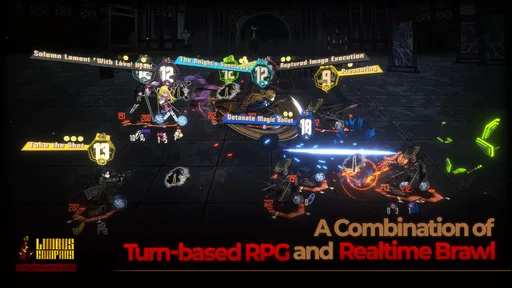
Now, let’s talk about the gameplay. Limbus Company offers a unique blend of strategy and role-playing elements. The game revolves around building and managing a team of characters, each with their unique abilities and backstories. It’s like a tactical chess game but with a lot more flair and personality.
The battles are turn-based, which gives you plenty of time to think about your next move. This is perfect for those of us who enjoy a good brain workout. I found myself strategizing different combinations of characters to maximize their strengths and cover their weaknesses. It’s all about making the right decisions at the right time, and trust me, it’s incredibly satisfying when a plan comes together.
A practical tip from my time with a team-based strategy game like this: when a fight goes badly, I try to identify one decision that caused trouble instead of changing everything at once. That makes it easier to tell whether the issue was team composition or how I handled the encounter. It also keeps experimentation manageable; changing several choices together can make a win hard to learn from and a loss hard to diagnose.
The turn-based format is useful for a short evening session because I can pause between decisions rather than needing fast reactions throughout. But “turn-based” does not automatically mean effortless. I still need to keep track of the situation and make deliberate choices, so it is a better fit for a quiet break than for playing while half-watching something else. If you want a game that rewards attention without testing your reflexes, that trade-off is attractive.
Storytelling at Its Finest
What really sets Limbus Company apart is its storytelling. The narrative is rich and engaging, with twists and turns that keep you on the edge of your seat. Each character is well-developed, and as you progress, you uncover more about their past and motivations. It’s this depth of storytelling that makes every battle feel significant.
The developers have done a fantastic job of weaving the story into the gameplay. Instead of just reading through text, you experience the story through interactions and battles, making it a truly immersive experience. I found myself emotionally invested in the characters, rooting for them as they overcame challenges and celebrated victories.
That story-first approach is also why I would not recommend treating it as a disposable game to open for a few seconds and forget. I get more from it when I remember who the characters are and pay attention to how events build. If I want a purely mechanical puzzle, a dedicated tactics game may be a better match; if I want a cast and narrative alongside strategic play, this is where Limbus Company makes its case.
For an everyday example, I could play a section after dinner, stop when I reach a natural break, and return later with the story still giving context to the next encounter. That works better for me than trying to rush through a chapter during a commute when I’m likely to be interrupted. The value is not just in finishing a fight; it is in letting the story and the decisions around it land together.
Visuals and Soundtrack
Limbus Company doesn’t just rely on gameplay and story to draw you in; the visuals and soundtrack are equally captivating. The art style is unique and beautifully detailed, with each scene looking like a piece of art. It’s colorful and vibrant, enhancing the overall experience.
The soundtrack is another highlight. It complements the visuals perfectly, creating an atmosphere that draws you deeper into the game world. Whether it’s the tension of a battle or the calm of a story moment, the music is spot on. I often found myself humming along even after I’d put the game down.
The presentation is a real reason to play with your attention on the screen, not just a decorative extra. The combination of artwork, music, and narrative gives the encounters a particular mood that a bare-bones combat interface would not. The trade-off is that players who mainly want quick, repeatable tactical rounds may care less about these strengths, and may prefer a game built around shorter, more self-contained matches.
How it compares with other strategy games
Compared with the usual mobile strategy options, Limbus Company makes a different promise from games centered on building a settlement, managing a broad map, or competing in short asynchronous rounds. Its appeal is the connection between a character-focused story and turn-based team combat. I’d choose it when I want to think about a party and follow a narrative; I’d choose a lighter puzzle-strategy game when I want a clean challenge that I can finish in a couple of minutes.
That distinction matters if you are deciding what to install rather than simply browsing by genre. A conventional tactics game can be a better fit when combat depth is the only thing you want, while an idle or collection-focused game may suit someone who prefers low-attention progress. Limbus Company sits closer to a story-led role-playing experience with strategic battles, so its strengths are strongest for people who welcome both sides instead of hoping one will stay out of the way.
I would also be cautious about comparing it only by how quickly it gets to combat. The opening minutes are part of the game’s invitation into its setting, not just a hurdle before the “real” activity. If that setup appeals, the pacing helps establish why encounters matter. If you routinely skip dialogue in every game, you may still enjoy the tactical decisions, but you would be setting aside one of this game’s central reasons to stay.
Room for Improvement
While Limbus Company is a fantastic app, there’s always room for improvement. One aspect that could be enhanced is the loading times between scenes. Occasionally, I found myself waiting a bit longer than I’d like, which can break the immersion. Additionally, some players might find the initial learning curve a bit steep, but once you get the hang of it, it’s smooth sailing.
Another point worth mentioning is the in-app purchases. While they’re not necessary to enjoy the game, they’re there for those who want to speed up their progress. As always, it’s about finding the right balance between gameplay and spending.
Those purchases range from $0.99 to $79.99 per item, so I’d decide my own spending limit before browsing them. Free-to-play does not mean every optional offer will feel equally tempting, and paying to move faster is a different choice from paying because I genuinely enjoy the game. I’d start without spending and see whether the core loop holds my interest; that makes it easier to judge any purchase on its own merits rather than as a shortcut to a game I haven’t yet decided I like.
The learning curve deserves a little patience, too. When a system feels confusing, I would avoid making a purchase to solve the frustration before I understand what is happening. A better first step is to slow down, review the team choices I made, and approach the next encounter with one small adjustment. That approach helps separate “I’m still learning” from “this style isn’t for me,” which is a more useful distinction than judging the game after one rough fight.
It is also worth thinking about interruptions. Because the story and tactical decisions both ask for attention, a noisy or stop-start session can make the experience feel less satisfying. I would save it for a stretch when I can follow a scene and finish a decision without constantly switching apps. Someone who needs a game that works equally well in tiny fragments may be happier with a more immediately accessible alternative.
Who should choose it—and who should pass
I’d recommend Limbus Company to an adult player who enjoys character-driven fiction and is willing to learn a strategy game rather than expecting instant mastery. It is especially appealing if you like discussing a story, thinking through team choices, and returning to a game because you want to know what happens next. The strong player response is encouraging, but a high average cannot tell you whether its particular tone and pace match your taste.
I would skip it if you want a gentle, child-friendly game, a purely casual time-killer, or a strategy experience with little reading and no strong narrative presence. The Mature 17+ label makes the first case especially clear: it is not a choice I’d make for a younger player simply because the art looks approachable. And if you want rapid action rather than turn-based planning, a reflex-focused game will likely feel more direct.
One useful way to make the decision is to ask what you want from your next session. If the answer is “give me a world and characters to get invested in,” the game has a clear advantage over generic battle loops. If the answer is “let me complete a self-contained challenge while waiting in line,” its story and learning demands may be more commitment than you want. Neither preference is wrong; they point to different kinds of mobile games.
Final Thoughts
Overall, Limbus Company is a standout in the world of mobile games. It offers a perfect mix of strategy, storytelling, and visual appeal that keeps you coming back for more. Whether you’re in it for the strategic battles or the gripping story, there’s something here for everyone.
If you’re looking for an app that’s more than just a time-killer, give Limbus Company a try. It’s an experience that’s as engaging as it is entertaining, and I can’t recommend it enough. So, what are you waiting for? Dive into the world of Limbus and see for yourself what all the buzz is about!
Pros
- Engaging storyline with deep lore.
- Unique art style and graphics.
- Strategic gameplay mechanics.
- Frequent updates and events.
- Smooth performance on most devices.
Cons
- Steep learning curve for new players.
- Can be resource-heavy on older devices.
- In-app purchases can be pricey.
- Limited offline play options.
- Occasional server connectivity issues.
FAQs for Limbus Company
What is Limbus Company and what genre does it belong to?
Limbus Company is a captivating mobile game that blends elements of strategy, role-playing, and horror. Developed by Project Moon, it immerses players in a unique narrative-driven experience where you manage a team of characters, each with distinct abilities. The game is praised for its intriguing storyline and complex character development.
Is Limbus Company free to play, and are there in-app purchases?
Limbus Company is free to download and play on both Android and iOS platforms. However, it includes in-app purchases that allow players to acquire additional items, skins, or resources. While you can progress without spending money, these purchases can enhance the gaming experience by providing unique customization options.
What are the system requirements for Limbus Company?
To ensure smooth gameplay, Limbus Company requires a device running Android 8.0 or iOS 12.0 and above. It is optimized for devices with at least 3GB of RAM. Players using older devices may experience performance issues, so it's recommended to check compatibility before downloading.
How does the combat system work in Limbus Company?
The combat system in Limbus Company is turn-based, requiring strategic planning and tactical execution. Players control a team of characters, each with specific skills and abilities. Success in battles depends on understanding each character's strengths and weaknesses and effectively managing resources like stamina and special skills.
Does Limbus Company offer multiplayer features or is it a single-player game?
Limbus Company primarily focuses on a single-player experience, delivering an immersive narrative and strategic gameplay. While it doesn't offer traditional multiplayer modes, it includes social features like leaderboards where players can compare their progress and achievements with friends and other players globally.


